
The Web You Wear: Understanding the Living Matrix of Fascia
A client once described it like this:
“I don’t feel injured… I just feel stuck. Like my body forgot how to let go.”
Nothing was “wrong” on paper. No acute injury. No dramatic incident. Just a familiar pattern — shoulders creeping upward, a jaw that wouldn’t quite unclench, hips that felt heavy no matter how much stretching happened. The kind of tension that doesn’t announce itself loudly, but hums quietly in the background of daily life.
This is often where fascia enters the conversation.
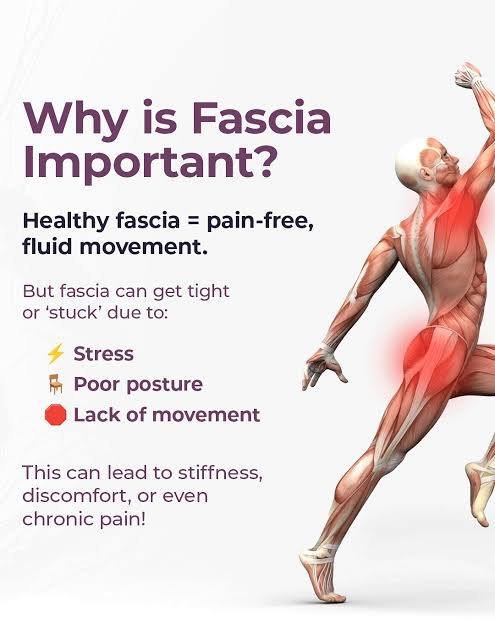
Fascia is the connective tissue that wraps around your muscles, bones, organs, and nerves — a continuous, intelligent web that holds everything together. Unlike muscles, which contract and release, fascia is designed to glide, slide, and adapt. It responds to movement, hydration, temperature, breath, and safety. When it’s healthy, the body feels fluid and resilient. When it’s not, things begin to feel dense, restricted, or oddly “held.”
Here’s the part many people don’t realize: that stuck feeling isn’t always about strength, weakness, or flexibility. Sometimes it’s about memory.
What the Fascia Remembers
Fascia is highly innervated and deeply responsive to the nervous system. It adapts to posture, repetitive movement, emotional stress, and long periods of bracing — both physical and emotional. Over time, the tissue can lose its elasticity, not because it’s damaged, but because it learned to protect.
Your body didn’t fail you.
It adapted.
This is why stretching alone doesn’t always create lasting change. You can pull on a muscle all day long, but if the surrounding fascial layers don’t feel safe enough to soften, the body will return to what it knows. Fascia doesn’t respond well to force. It responds to listening.
Myofascial Release works by engaging this web slowly and intentionally — using sustained pressure, gentle traction, and patience. The goal isn’t to “fix” the tissue, but to invite it back into conversation. To remind the body that it no longer has to hold everything together on its own.
And sometimes, when the tissue begins to soften, something else shifts too. A deeper breath. A spontaneous sigh. A feeling of space where there was none before. This isn’t accidental. Fascia and the nervous system are in constant dialogue.
You might hear practitioners say, “The body remembers.”
What they really mean is: the body responds to experience.

Supporting Fascia Between Sessions
Between sessions, small acts of care make a difference. Gentle movement that feels nourishing rather than corrective. Staying hydrated. Warming the body before stretching. Pausing before pushing through discomfort. These subtle choices signal to the fascia that it’s safe to soften — that support exists.
Unwinding chronic tension isn’t a dramatic event. It’s a gradual remembering.
A remembering of ease.
Of space.
Of movement without effort.
Your body hasn’t forgotten how to let go. It’s just been waiting for the right conditions.
Disclaimer: The information shared on Musings, Medicine, & Magic is for educational and informational purposes only and is not intended to diagnose, treat, cure, or replace medical advice. Please consult with your healthcare provider before beginning any new wellness practice or making changes to your health routine.
